In memory of Robert Devet (d. September 27, 2021), founder, publisher and editor of the Nova Scotia Advocate. This site is preserved as an archive of the Advocate’s journalism from 2016 to 2021, and as a tribute to Robert’s work. No new articles are published, and comments, forms and search are closed. Read the tribute →

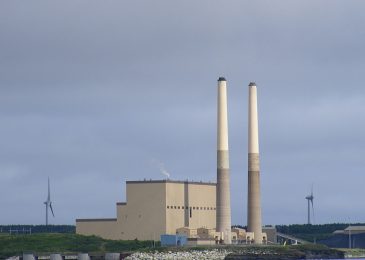
At present, Nova Scotia Power’s’s sulphur dioxide emissions are capped at 72,000 tonnes a year. NSP revealed to the utility board that the province intends to amend its Air Quality Regulations to allow 90,000 tonnes of emissions for 2021 and 2022. That’s wrong! Energy expert Richard Starr provides the context.

Nova Scotia is one of Canada’s most emissions-intensive provinces. Peggy Cameron wrote an open letter to Stephen McNeil pleading to change that. “You need to say “no” to highways and pipelines that increase our use of fossil fuels. Then you need to tackle this short list: increase renewables for Nova Scotian use, not export; shut down coal-fired generating plants; incentivize regenerative agricultural practices; stop clear-cutting and pesticide-spraying; promote afforestation and value-added production; establish a province wide integrated transportation network; and create a net-zero-carbon building programme.”

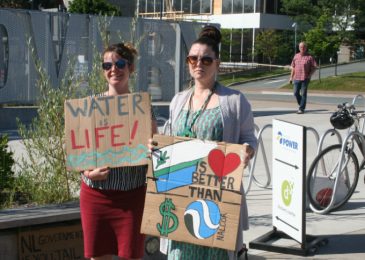
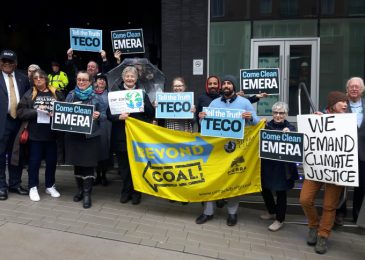
The Muskrat Falls development may be far away in Labrador, but it is very much Nova Scotia’s business. That was the message delivered by speakers at a news conference held outside the Emera / Nova Scotia Power offices on Lower Water Street in downtown Halifax this morning. “What we are seeing is massive destruction and genocide for profit. The crown corporation Nalcor is giving itself the legal authority to commit genocide using water as a vehicle for devastation. Once they drown the landscape, methylmercury poisoning is inevitable.  We are talking mass genocide to all vegetation, medicines and all living species. Lives will be lost,” said Michelle Paul.