
In Ontario yearly health care costs for a food secure person are around $1600. The same costs for a person who experiences severe food insecurity are almost $4000. Almost 4% of Nova Scotia’s households experienced severe food insecurity, meaning that people missed meals, reduced food intake and at the most extreme went day(s) without food. You can’t solve our healthcare crisis while you ignore those numbers. Raise the rates and the minimum wage!

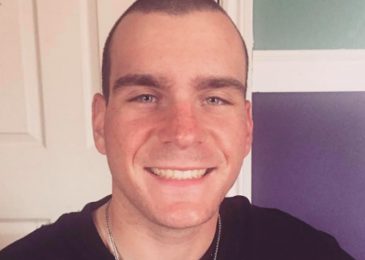
Bradley Thomas Clattenburg was killed by three police officers after he pointed a gun at them. Earlier we wrote about a resident in long term care facility who died of a heart attack while in a scuffle with a RCMP police officer. In both cases the person who died had severe mental health issues. SIRT, the agency that investigates these deaths, leaves too many questions unanswered. We need formal inquests.

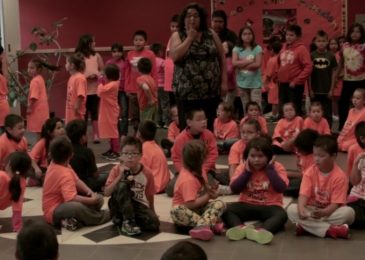
Nova Scotia indie filmmaker Ann Verrall often makes movies and documentaries collaborating with youths , and she’s really good at it. What’s with that Treaty? is a great example. The video was made by students of We’koqma’q Mi’kmaq School in Cape Breton during a 5-day video intensive. Students document Treaty Day activities, Orange Shirt Day, meet with elders Joe Googoo, Magit Poulette, Ben Sylliboy, and Malglit Pelletier, and explore Treaty Education. Students also talk about the impact of residential school on them. 

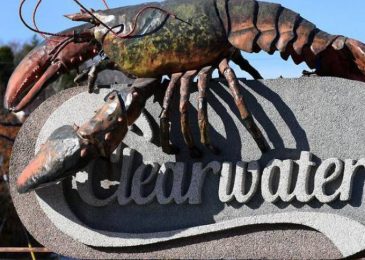
As CBC’s Paul Withers reported yesterday Clearwater Seafood left thousands of lobster traps in the water for longer than the 72 hours allowed by law.
We’re not talking an extra day here because of bad weather. Sometimes baited and unbaited traps would be left on the ocean floor for as long as 98 days at a time, and this environmentally unsound practice has been going on at least since 2014. Breaking the law this way saved the company huge amounts of money. We talked with Shannon Arnold of the Ecology Action Centre to find out more, and what she told us is pretty alarming.

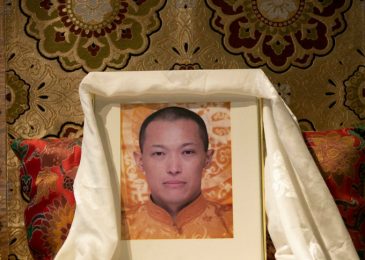
Based on an invite to a retreat for senior students there really isn’t much hope that the Shambhala organization learned anything from the Sakyong Mipham mess. The invite describes how the Monarch Retreat includes “receiving and practicing a heart transmission from His Majesty the Kongma Sakyong II (yet another title for Mipham) and a specially-designed Monarch Retreat shrine with a full portrait of the Sakyong.

This weekend we feature an interview with Ralph Wheadon, who became a Provincial Forest Ranger for the area above St. Margaret’s Bay in the early fifties. He talks about fighting forest fires, log drives down the Ingram River, and the changes (not for the better) he has witnessed over his long career. “”If we don’t have logs, if we don’t have timber, I worry about our watersheds. And I am really concerned, as  a lot of people are, about cutting that biomass stuff down…”  

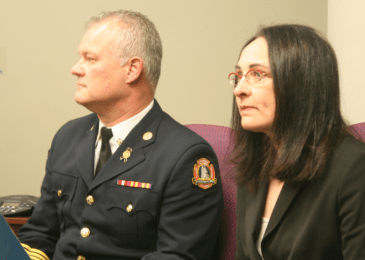
It’s been a year since Halifax Fire chief Ken Stuebing publicly apologized to Liane Tessier, and both Halifax Fire and the Human Rights Commission are reluctant to share what changes were made at the organization to deal with the misogyny that was so prevalent. “We’re dealing with issues that were hidden, now we are letting it out of the bag and HRM and the NS Human Rights Commission don’t like it, because now they are being held to account,” Tessier says, pointing to the work of Equity Watch, the anti-bullying organization she co-founded.”

Late last year I received a response to a Freedom of Information request that has all significant information greyed out. It’s a presentation about cost savings as a result of the Community Services Transformation Project. If a government initiative potentially will save money, possibly at the detriment of service levels, shouldn’t we be allowed to know how so, and how much?