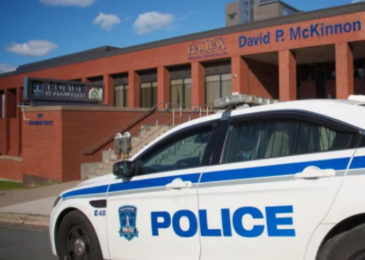
A recent human rights case, launched by Gyasi Symonds after being racially profiled by Halifax police, is a showcase for all that is wrong with the way the Nova Scotia Human Rights Commission (NSHRC) deals with human rights complaints and complainants.
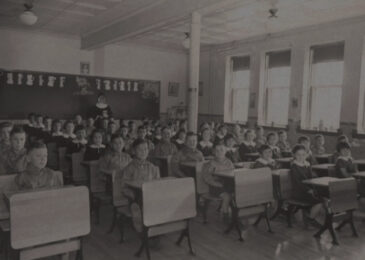
What started out as $70 million in reparations for the suffering caused by Catholic residential schools was whittled down to $16 million by the Catholic Church. Michael William McDonald, a lawyer from Sipekne’katik explains how that happened. “Compensation must be sufficient to provide healing,” he writes, “perhaps then we can find the right path to reconciliation.”

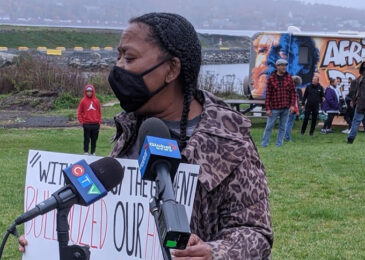
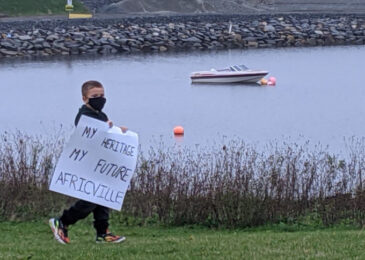
After the Africville rally I had a longer conversation with Denise Allen, one of the organizers and an Africville survivor herself. “I don’t know who our political representatives represent when they fight against justice for Africville. They’re certainly not representing their constituents. What they’re looking out for is the bottom line, they just don’t want to pay.”

Sadie Beaton: I’ve been struck lately by one of white supremacy’s more insidious mechanisms- the illusion of disentanglement. How whiteness allows some of us to opt out of the recognition that we are fully enmeshed in and with this world. It’s a dangerous kind of privilege for those of us who benefit (on the surface), as Ross Gay describes, to ”pretend the possibility of disentanglement.” This pretending, it seems to me, is the very opposite of Peace and Friendship.

After Premier McNeil’s surprise apology for systemic racism in the justice system and the harm it has done, he announced the formation of a design team “to reimagine a system of justice in Nova Scotia”. We talk with Robert Wright, spokesperson for the DPAD coalition, to find out more about its proposals for an African Nova Scotian Justice Institute and a Policing Strategy, and to better understand its criticism of the provincial justice initiative.

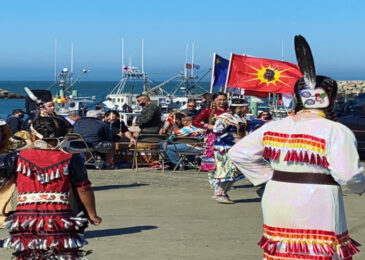
Robin Tress with an excellent article on the self-regulated Mi’kmaq fisheries and the RCMP: “Looking closely at the history of policing of Indigenous movements, and now the policing of the settler fishers enacting violence, intimidation, and vandalism, one thing becomes clear: When Indigenous people protest, they are considered enemies of the state. When settlers protest, they are treated as sensitive stakeholders critical to the resolution of the conflict.”