
The Mi’kmaw Native Friendship Centre opened in 1973 in Halifax, as a welcoming place for Indigenous people to gather and seek support and solace. Almost 50 years on, it remains a lively vibrant place, a landmark in the North End of Halifax, and a partner in Creating Communities of Care, a project to support urban Indigenous and African Nova Scotian women who have experienced violence.


Raymond Sheppard: “It’s hard to believe, but African people in North America and beyond are still in a state of slavery. For most of us the chains are gone, but the system of slavery is still intact, through power, control, privilege and profit. Slavery did not end; it merely morphed into a mental system, a planned system of limitation and falsehood.”

The Nova Scotia Advocate has always been honoured to publish the amazing writing of Angela Bowden. We did a long interview to mark the publication of her first poetry collection, Unspoken Truth. In the interview we explore some of the themes of her book, and how growing up Black in New Glasgow shaped her and helped her recognize the deeply traumatic impact of racism on generations of Black Nova Scotians.

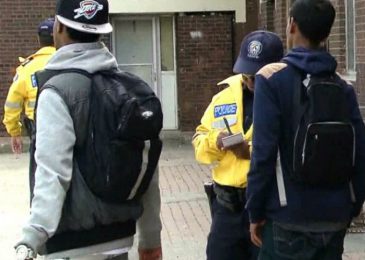
After street checks were determined to be illegal in October 2019, Mark Furey, the Justice minister at the time, put a stop to the practice. Case closed, you might think. Time to move on. Unfortunately no, says Vanessa Fells of the African Nova Scotian Decade for People of African Descent Coalition (ANSDPAD).

Raymond Sheppard writes about the role of racism in the Lionel Desmond case. “In the African Nova Scotian community, after facing anti-Black racism and hate trauma, individuals and the community try to move on and we have been taught to rise above it. However, the effects of this kind of trauma run deep and do not just go away.”

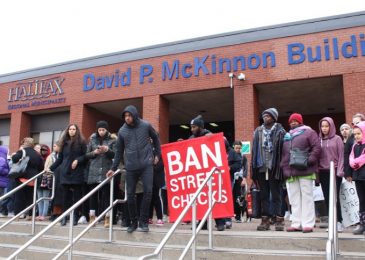
News release: Thirteen community organizations call on government to ban illegal practice on the International Day for the Elimination of Racial Discrimination. After countless reviews, reports and public meetings, the Nova Scotia government finally directed police to end the practice in October of 2019. But there was a glaring exception to the directive: police were still permitted to conduct street checks if they judged that an individual was involved in “suspicious activity.”